 020 8004 8625
 contact@dsar.ai
 https://dsar.ai/wp-content/uploads/2026/03/dsar-timeline-explained-how-long-do-you-have-to-respond-under-gdpr-400-x-323-px.png
323
400
stephen@mscentric.uk
https://dsar.ai/wp-content/uploads/2021/10/dsar-logo.png
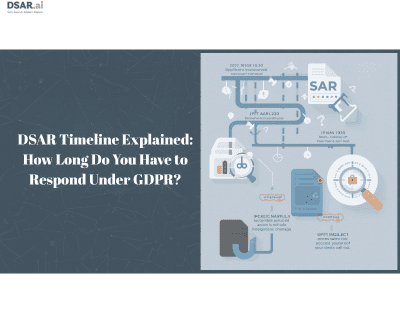
stephen@mscentric.uk2026-02-26 14:13:102026-07-15 08:27:09DSAR Timeline Explained: How Long Do You Have to Respond Under GDPR?
https://dsar.ai/wp-content/uploads/2026/03/dsar-timeline-explained-how-long-do-you-have-to-respond-under-gdpr-400-x-323-px.png
323
400
stephen@mscentric.uk
https://dsar.ai/wp-content/uploads/2021/10/dsar-logo.png
stephen@mscentric.uk2026-02-26 14:13:102026-07-15 08:27:09DSAR Timeline Explained: How Long Do You Have to Respond Under GDPR? https://dsar.ai/wp-content/uploads/2026/03/untitled-design-18.png
323
400
stephen@mscentric.uk
https://dsar.ai/wp-content/uploads/2021/10/dsar-logo.png
stephen@mscentric.uk2026-02-19 13:58:582026-07-15 08:27:09DSAR Response Example: What to Include Under GDPR [2026]
https://dsar.ai/wp-content/uploads/2026/03/untitled-design-18.png
323
400
stephen@mscentric.uk
https://dsar.ai/wp-content/uploads/2021/10/dsar-logo.png
stephen@mscentric.uk2026-02-19 13:58:582026-07-15 08:27:09DSAR Response Example: What to Include Under GDPR [2026] https://dsar.ai/wp-content/uploads/2026/03/untitled-400-x-323-px-1.png
323
400
stephen@mscentric.uk
https://dsar.ai/wp-content/uploads/2021/10/dsar-logo.png
stephen@mscentric.uk2026-02-12 13:45:162026-07-15 08:27:09How to Respond to a DSAR Request (Step-by-Step Guide)
https://dsar.ai/wp-content/uploads/2026/03/untitled-400-x-323-px-1.png
323
400
stephen@mscentric.uk
https://dsar.ai/wp-content/uploads/2021/10/dsar-logo.png
stephen@mscentric.uk2026-02-12 13:45:162026-07-15 08:27:09How to Respond to a DSAR Request (Step-by-Step Guide) https://dsar.ai/wp-content/uploads/2026/03/what-is-a-dsar-request-complete-guide-for-businesses-gdpr-explained-2026-400-x-323-px.png
323
400
stephen@mscentric.uk
https://dsar.ai/wp-content/uploads/2021/10/dsar-logo.png
stephen@mscentric.uk2026-02-05 11:17:562026-07-15 08:27:09What Is a DSAR Request? Complete Guide for Businesses (GDPR Explained) [2026]
https://dsar.ai/wp-content/uploads/2026/03/what-is-a-dsar-request-complete-guide-for-businesses-gdpr-explained-2026-400-x-323-px.png
323
400
stephen@mscentric.uk
https://dsar.ai/wp-content/uploads/2021/10/dsar-logo.png
stephen@mscentric.uk2026-02-05 11:17:562026-07-15 08:27:09What Is a DSAR Request? Complete Guide for Businesses (GDPR Explained) [2026] https://dsar.ai/wp-content/uploads/2026/01/what-real-dsar-automation-actually-means.png
323
400
stephen@mscentric.uk
https://dsar.ai/wp-content/uploads/2021/10/dsar-logo.png
stephen@mscentric.uk2026-01-29 02:30:502026-07-15 08:27:10What Real DSAR Automation Actually Means
https://dsar.ai/wp-content/uploads/2026/01/what-real-dsar-automation-actually-means.png
323
400
stephen@mscentric.uk
https://dsar.ai/wp-content/uploads/2021/10/dsar-logo.png
stephen@mscentric.uk2026-01-29 02:30:502026-07-15 08:27:10What Real DSAR Automation Actually Means https://dsar.ai/wp-content/uploads/2026/01/why-most-organisations-are-unknowingly-non-compliant-with-dsars.png
323
400
stephen@mscentric.uk
https://dsar.ai/wp-content/uploads/2021/10/dsar-logo.png
stephen@mscentric.uk2026-01-22 02:30:242026-01-21 03:59:59Why Most Organisations Are Unknowingly Non-Compliant With DSARs
https://dsar.ai/wp-content/uploads/2026/01/why-most-organisations-are-unknowingly-non-compliant-with-dsars.png
323
400
stephen@mscentric.uk
https://dsar.ai/wp-content/uploads/2021/10/dsar-logo.png
stephen@mscentric.uk2026-01-22 02:30:242026-01-21 03:59:59Why Most Organisations Are Unknowingly Non-Compliant With DSARs https://dsar.ai/wp-content/uploads/2025/12/the-rising-threat-of-fraudulent-dsars-in-2025-and-how-organisations-can-protect-themselves.png
323
400
stephen@mscentric.uk
https://dsar.ai/wp-content/uploads/2021/10/dsar-logo.png
stephen@mscentric.uk2025-11-27 05:55:262025-12-03 06:06:12The Rising Threat of Fraudulent DSARs in 2025, and How Organisations Can Protect Themselves
https://dsar.ai/wp-content/uploads/2025/12/the-rising-threat-of-fraudulent-dsars-in-2025-and-how-organisations-can-protect-themselves.png
323
400
stephen@mscentric.uk
https://dsar.ai/wp-content/uploads/2021/10/dsar-logo.png
stephen@mscentric.uk2025-11-27 05:55:262025-12-03 06:06:12The Rising Threat of Fraudulent DSARs in 2025, and How Organisations Can Protect Themselves https://dsar.ai/wp-content/uploads/2025/12/untitled-design-15.png
323
400
stephen@mscentric.uk
https://dsar.ai/wp-content/uploads/2021/10/dsar-logo.png
stephen@mscentric.uk2025-11-20 05:44:042025-12-03 05:52:37How To Build a DSAR Search Strategy That Actually Works
https://dsar.ai/wp-content/uploads/2025/12/untitled-design-15.png
323
400
stephen@mscentric.uk
https://dsar.ai/wp-content/uploads/2021/10/dsar-logo.png
stephen@mscentric.uk2025-11-20 05:44:042025-12-03 05:52:37How To Build a DSAR Search Strategy That Actually Works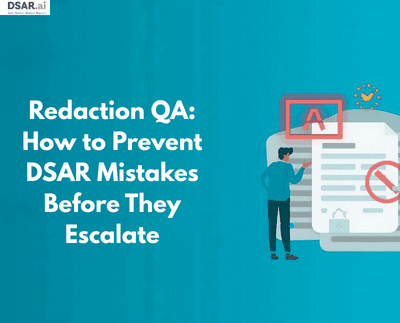 https://dsar.ai/wp-content/uploads/2025/12/heading-3.png
323
400
stephen@mscentric.uk
https://dsar.ai/wp-content/uploads/2021/10/dsar-logo.png
stephen@mscentric.uk2025-11-13 05:31:392025-12-03 05:41:19Redaction QA: How to Prevent DSAR Mistakes Before They Escalate
https://dsar.ai/wp-content/uploads/2025/12/heading-3.png
323
400
stephen@mscentric.uk
https://dsar.ai/wp-content/uploads/2021/10/dsar-logo.png
stephen@mscentric.uk2025-11-13 05:31:392025-12-03 05:41:19Redaction QA: How to Prevent DSAR Mistakes Before They Escalate https://dsar.ai/wp-content/uploads/2025/12/why-dsar-backlogs-form-and-how-organisations-can-clear-them-without-hiring-more-staff.png
323
400
stephen@mscentric.uk
https://dsar.ai/wp-content/uploads/2021/10/dsar-logo.png
stephen@mscentric.uk2025-11-06 05:20:342025-12-03 05:29:08Why DSAR Backlogs Form and How Organisations Can Clear Them Without Hiring More Staff
https://dsar.ai/wp-content/uploads/2025/12/why-dsar-backlogs-form-and-how-organisations-can-clear-them-without-hiring-more-staff.png
323
400
stephen@mscentric.uk
https://dsar.ai/wp-content/uploads/2021/10/dsar-logo.png
stephen@mscentric.uk2025-11-06 05:20:342025-12-03 05:29:08Why DSAR Backlogs Form and How Organisations Can Clear Them Without Hiring More Staff